
Enhancing Skin Tone: The Power of a Combined Approach to Skincare
3/18/20264 min read
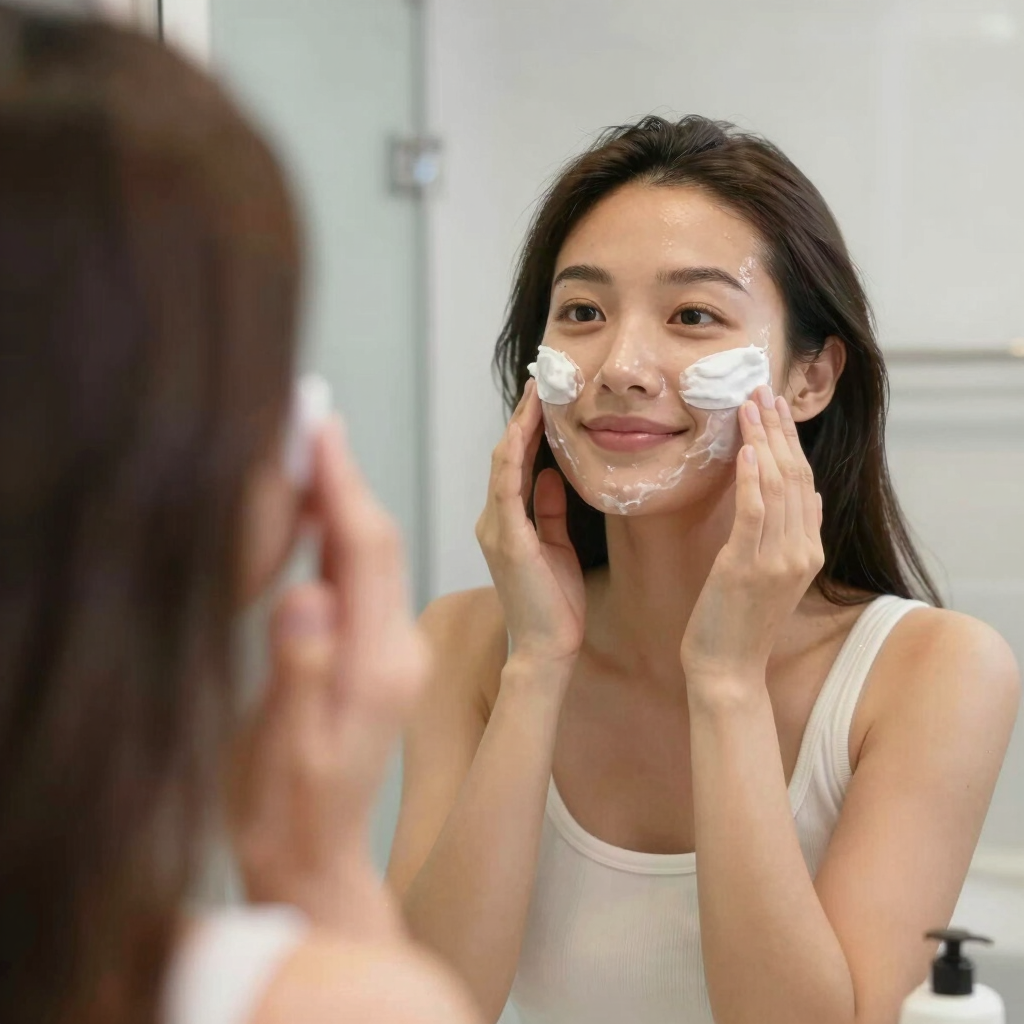

Understanding Skin Tone and Its Challenges
Skin tone refers to the natural color, texture, and appearance of a person’s skin, which can vary significantly among individuals. The primary factors that influence skin tone include genetics, sun exposure, and the aging process. Genetic predisposition largely determines an individual’s baseline skin color through the production and distribution of melanin. Higher levels of melanin are typically responsible for darker skin tones, which often offer more natural protection against UV damage.
Another influential factor is sun exposure. Ultraviolet (UV) rays from the sun can lead to increased melanin production, resulting in tanning or the development of dark spots. Over time, excessive sun exposure can cause uneven skin tone, leading to the formation of blemishes and pigmentation issues. Additionally, the aging process contributes to changes in skin tone as the skin loses its elasticity and vitality, often resulting in dullness and the appearance of fine lines, which can also impact overall complexion.
Common skin challenges such as blemishes and dark spots can manifest for numerous reasons, including hormonal changes, environmental factors, and lifestyle choices. These issues not only affect the aesthetic appearance of the skin but also impact an individual’s self-esteem and confidence. Addressing these common skin concerns necessitates a comprehensive understanding of one’s skin type and its specific requirements.
Establishing a consistent skincare routine is vital in managing skin tone effectively, helping individuals combat blemishes and improve overall appearance. A well-rounded regimen can include various products—like cleansers, exfoliants, moisturizers, and treatments—tailored to address specific skin needs, promoting a more balanced and radiant complexion. Incorporating such practices into daily routines is essential to achieve and maintain healthy skin.
Key Components of an Effective Skincare Routine
An effective skincare routine is integral to achieving a healthy, radiant, and even skin tone. To accomplish this, it is essential to incorporate three primary components: cleansers, serums, and natural moisturizers, each playing a vital role in skin health.
Cleansers serve as the foundation of any skincare regimen. They eliminate dirt, oil, makeup, and impurities that accumulate on the surface of the skin. A quality cleanser should not only cleanse effectively but also maintain the skin's natural moisture barrier. Ingredients such as aloe vera and chamomile possess soothing properties that can enhance cleansing without stripping the skin of essential moisture.
Following cleansing, serums are a concentrated form of skincare that deliver powerful active ingredients directly to the skin. These products often contain antioxidants, vitamins, and plant extracts designed to target specific skin concerns such as dark spots, uneven tone, and early signs of aging. For instance, vitamin C serums are widely recognized for their ability to brighten the skin and improve its overall texture, promoting a more uniform complexion.
Natural moisturizers then follow to ensure the skin remains hydrated and protected. Formulated with organic oils and botanical extracts, these moisturizers nourish the skin while providing a barrier against environmental pollutants. Ingredients such as shea butter and jojoba oil not only hydrate but also enhance skin elasticity and softness. Natural moisturizers work synergistically with serums to lock in moisture while reinforcing the skin's defense against external aggressors, ultimately fostering a more resilient skin barrier.
In summary, an effective skincare routine that combines a gentle cleanser, potent serums, and nurturing natural moisturizers is essential. When integrated thoughtfully, these components can significantly elevate skin health, contributing to a balanced and luminous skin tone over time.
The Science Behind Serums and Their Effectiveness
Serums are vital components of modern skincare regimens, renowned for their potent and concentrated formulas. Unlike traditional moisturizers, serums possess smaller molecular sizes, enabling them to penetrate deeper into the skin layers. This depth of absorption facilitates the delivery of active ingredients far beyond the surface, allowing for more effective treatment of various skin concerns, including blemishes and dark spots.
Different types of serums serve distinct purposes, each targeting specific skin issues. For instance, Vitamin C serums are celebrated for their ability to brighten the skin and reduce hyperpigmentation. This antioxidant-rich ingredient works by inhibiting melanin production, improving skin tone and texture. Hyaluronic acid serums, on the other hand, concentrate on hydration. They attract and retain moisture in the skin, leading to a plump and youthful appearance while also promoting the healing of blemishes.
Another notable serum ingredient is niacinamide, a form of Vitamin B3. Niacinamide is particularly effective in regulating oil production, hence reducing the appearance of pores and preventing blemishes. Furthermore, it possesses anti-inflammatory properties that can soothe redness and irritation, making it suitable for various skin types. The inclusion of these powerful components in a combined skincare regimen can lead to substantial improvements in overall skin tone and clarity.
The mechanisms by which these serums operate highlight the remarkable potential of targeted skincare. By utilizing serums with formulations rich in Vitamin C, hyaluronic acid, and niacinamide, individuals can address their unique skin concerns more effectively, leading to a more uniform and radiant complexion.
Creating Your Personalized Skincare Routine
Developing a personalized skincare routine is essential for achieving and maintaining a healthy skin tone. A well-structured regimen typically includes three fundamental components: cleansers, serums, and moisturizers. Understanding your unique skin type—oily, dry, combination, or sensitive—is crucial in selecting the most appropriate products.
Start with a cleanser tailored to your skin type. For oily skin, a gel-based cleanser can effectively remove excess oil and impurities, while cream-based cleansers are suitable for dry skin, as they provide hydration. If you have sensitive skin, opt for fragrance-free formulations to minimize irritation. The cleansing step should be performed twice a day, in the morning and evening, to ensure that your skin remains clear and fresh.
Once your skin is cleansed, applying a serum can significantly enhance your skincare routine. Serums are concentrated treatments that target specific issues such as pigmentation, wrinkles, or hydration. For instance, vitamin C serums are effective for brightening skin tone, whereas hyaluronic acid serums offer profound hydration. Incorporating serums into your daily routine can boost skin’s health exceptionally when used once or twice daily, depending on the product instructions.
The last essential component is a good moisturizer. Look for natural moisturizers that suit your skin type. Lightweight, oil-free lotions work well for oily skin, while thick creams can provide the necessary moisture for dry skin. For combination skin, consider using a hydrating gel for daytime and a richer cream at night. Moisturizing should be performed at least twice a day, alongside your other skincare products.
Consistency is key to observing positive results in your skincare routine. It may take time to notice significant changes, so practicing patience is imperative. Committing to your personalized regimen will not only enhance your skin tone but will also contribute to the overall vitality of your skin in the long run.