
Best Ways to Exfoliate Skin During Spring After a Dry Winter
4/15/20264 min read
Understanding the Importance of Exfoliation in Spring
Exfoliation plays a crucial role in maintaining healthy skin, especially during the transition from the dry winter months to the rejuvenating spring season. Winter often leaves the skin dehydrated and coated with a buildup of dead skin cells, making it appear dull and lifeless. As temperatures rise and humidity increases, it is essential to shed these layers of dead skin to unveil a fresh, vibrant complexion.
The process of exfoliation removes these dead skin cells, promoting cell turnover and revealing the healthier skin beneath. This not only enhances the overall texture and appearance of the skin but also facilitates better absorption of moisturizers and serums. When the skin is free from dead cell buildup, skincare products can penetrate more deeply, allowing for maximum effectiveness and hydration.
Additionally, exfoliation is beneficial for individuals of all skin types, including both men and women. As the season changes, engaging in regular exfoliation can help minimize issues such as dryness, flakiness, and the appearance of fine lines. By incorporating exfoliation into a skincare routine, individuals can maintain a smooth, radiant complexion that reflects the vibrancy of spring.
Furthermore, exfoliating techniques can vary from mechanical scrubs to chemical exfoliants, depending on personal preferences and skin sensitivities. Thus, it is important to choose the method that best suits one's skin type while ensuring that it aligns with individual skincare goals. Whether one prefers a gentle physical scrub or a more intensive chemical approach, the advantages of exfoliation remain significant.
With the arrival of spring, embracing an effective exfoliation regimen can lead to healthier, glowing skin while also preparing it for the increased exposure to sun and outdoor activities that characterize this lively season.
Different Exfoliation Methods: Physical vs. Chemical Exfoliants
Exfoliation plays a crucial role in skin maintenance, particularly after a dry winter, clearing away dead skin cells and promoting a healthier, radiant complexion. Two primary categories dominate the exfoliation landscape: physical and chemical exfoliants, each possessing unique properties, methodologies, and benefits.
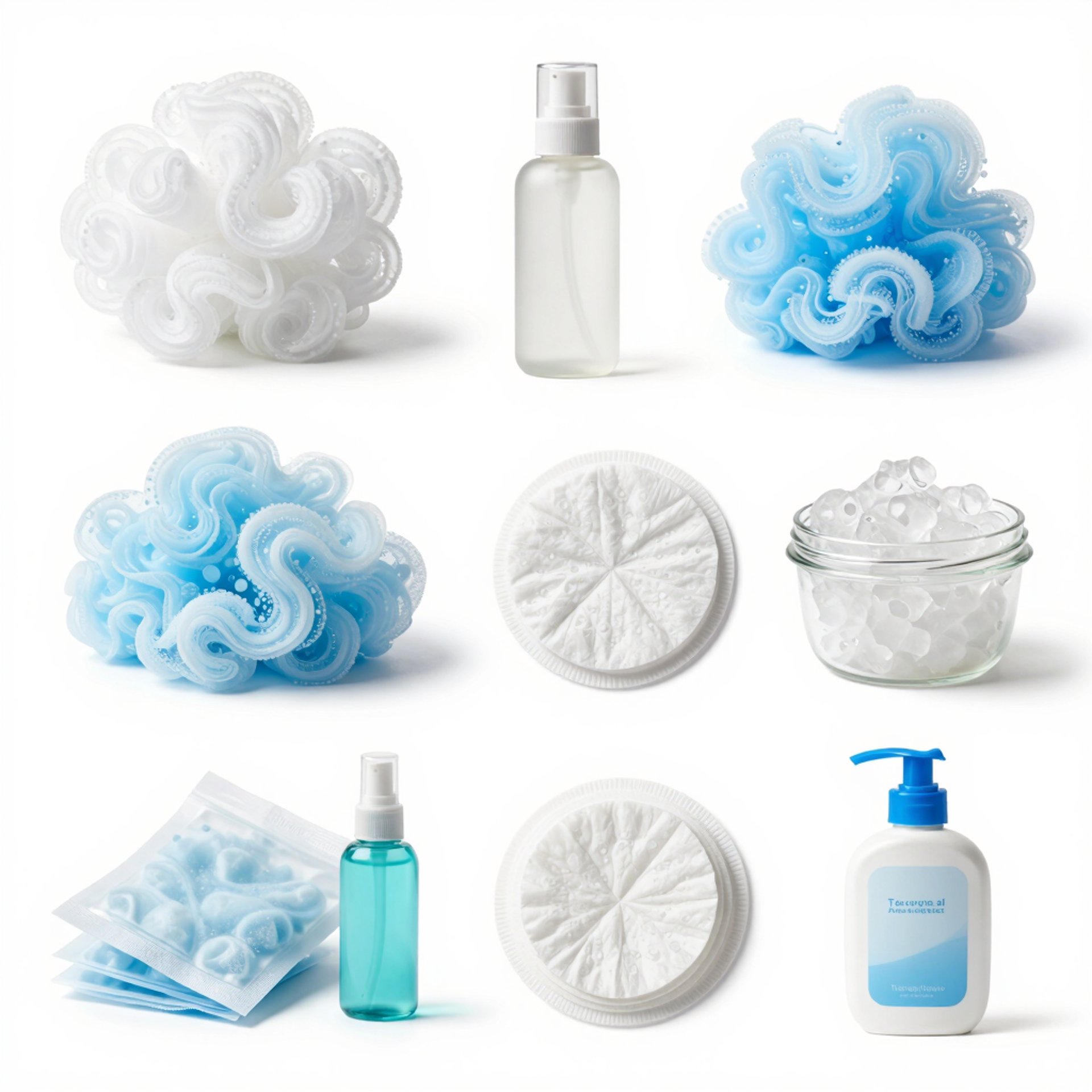
Physical exfoliants, which include scrubs, brushes, and sponges, rely on manual abrasion to remove dead skin cells. They often contain granular particles that physically slough away impurities, providing immediate results. One of their main advantages is the instant gratification they offer, allowing users to see and feel smoother skin right away. However, caution is advised, as improper use can lead to skin irritation, microtears, and an increase in sensitivity. For those with sensitive skin or conditions like rosacea, physical exfoliants may not be ideal. It is crucial to choose products that are gentle and specifically formulated for one’s skin type.
On the other hand, chemical exfoliants utilize active ingredients such as alpha hydroxy acids (AHAs), beta hydroxy acids (BHAs), and enzymes to dissolve the bonds holding dead skin cells together. AHAs, derived from fruits and milk, are primarily water-soluble and work best on the skin's surface, making them suitable for normal to dry skin. Conversely, BHAs are oil-soluble, allowing them to penetrate deeper into the pores, making them ideal for oily or acne-prone skin. Enzymatic exfoliants, sourced from fruits, offer a more delicate approach, providing benefits without the same level of irritation associated with some acids.
When selecting an exfoliation method, individuals should consider their skin type and specific concerns, as each approach varies significantly in terms of effectiveness and sensitivity. By understanding the differences between physical and chemical exfoliants, users can make informed choices that promote skin health and enhance their overall skincare routine.
DIY Exfoliation Recipes and Products for Every Skin Type
Exfoliating your skin during spring is essential to remove the dead cells that have accumulated over the dry winter months. For those who prefer homemade solutions, numerous effective recipes can be created using common kitchen ingredients tailored for various skin types.
For oily skin, a simple brown sugar and olive oil scrub can work wonders. Combine two tablespoons of brown sugar with one tablespoon of olive oil, gently massage it onto the skin, and rinse with lukewarm water. This scrub effectively removes excess oil and dead skin cells while balancing moisture levels.
Individuals with dry skin should opt for a soothing oats and honey exfoliant. Mix one cup of ground oats with two tablespoons of honey and enough water to form a paste. Applying this mixture helps to hydrate the skin while providing gentle exfoliation. The natural properties of honey also help to lock in moisture, making it a calming treatment.
Those with sensitive skin may find that a yogurt and turmeric mask serves them well. Mix half a cup of plain yogurt with a pinch of turmeric powder. The lactic acid in yogurt naturally exfoliates, while turmeric aids in reducing inflammation. Apply this mixture for about 10 minutes before rinsing off.
Combination skin can benefit from a coffee grounds and coconut oil exfoliant. Combine equal parts coffee grounds and coconut oil, and gently scrub the mixture onto the skin, then rinse. This recipe helps to stimulate circulation and refresh the skin.
Additionally, for those who prefer commercially available exfoliating products, there are numerous scrubs, peels, and masks that cater to various needs. High-end brands like Drunk Elephant and Tatcha offer luxurious options, while budget-friendly alternatives from brands like St. Ives and The Ordinary provide effective solutions. It is important to follow the instructions for use to maximize benefits and ensure safety, starting with patch testing when using new products.
Post-Exfoliation Care: Keeping Your Skin Healthy After Exfoliating
After exfoliating, proper post-exfoliation care is essential to ensure that your skin remains healthy and well-nourished. Exfoliating removes dead skin cells, providing a fresh layer of skin that can be sensitive and vulnerable. Consequently, focusing on hydrating and protecting this new skin is crucial.
First and foremost, moisturizing your skin immediately after exfoliation is vital. A good moisturizer replenishes moisture lost during the exfoliation process and prevents your skin from becoming dry or irritated. Look for products that include hydrating ingredients such as hyaluronic acid, glycerin, or natural oils. These substances can help lock in hydration and create a barrier to safeguard your skin.
Equally important is the application of sunscreen. After exfoliating, your skin is more susceptible to UV damage, making it essential to apply a broad-spectrum sunscreen with at least SPF 30, even on cloudy days. This step protects your newly revealed skin from harmful rays, which can lead to premature aging and exacerbate skin issues.
In addition, maintaining a gentle skincare routine post-exfoliation is crucial. Avoid harsh products or intense treatments that can lead to irritation. Instead, opt for gentle cleansers that soothe the skin and avoid exfoliating again for a period, typically ranging from a few days to a week, depending on your skin type and individual sensitivity.
Incorporating nourishing masks or serums infused with antioxidants and calming ingredients can significantly benefit your skin’s recovery process. Pay close attention to your skin’s response, adjusting the frequency of exfoliation based on its condition. For different skin types, exfoliation might vary from once a week for dry or sensitive skin to twice a week for oilier skin types.
To Learn more visit our website: https://healthandbeautysolutions.com/